Highland Heritage
Collecting Art That Honours Place and Tradition
Scotland's Highland landscape has been romanticised to the point of cliché purple heather, misty mountains, the lonely cry of bagpipes. Yet beneath the tourist board imagery lies something more substantial: a genuine cultural heritage shaped by specific geography, particular history, and the enduring relationship between people, land, and animals. Creating art that engages this heritage without succumbing to sentimentality requires careful negotiation between tradition and contemporary vision.
Beyond the Shortbread Tin
The challenge in creating serious art about Scottish Highland culture is navigating around generations of kitsch. The Highlands have been thoroughly commercialised tartans commodified, clan histories simplified, landscape reduced to backdrop for whisky advertisements. This accumulated visual noise makes authentic engagement with Highland heritage genuinely difficult.
Yet the heritage itself remains compelling precisely because it's rooted in material reality rather than pure invention. Highland cattle aren't mythological creatures, they're a distinct breed developed for specific terrain and climate. The drove roads weren't romantic pathways but working infrastructure for moving livestock to market. The bothies and shieling huts that dot the landscape weren't picturesque ruins but functional shelter for people working the land.
This tension between romanticised image and historical reality creates opportunity for contemporary art. By grounding work in the material culture of Highland life the actual animals, the working relationships, the landscape as it functions rather than as it decorates painting can engage heritage authentically while avoiding cliché.
The Role of Equine and Livestock
Horses and Highland cattle weren't merely present in Highland culture they were fundamental to its functioning. Garron ponies moved goods across terrain impossible for wheeled transport. Highland cattle represented wealth and security in economies where cattle raiding was common enough to shape social structure. The relationship between people and working animals wasn't sentimental but essential.
Contemporary equine and livestock portraiture can honour this history while remaining relevant to present day collectors. The key is recognising that these animals carry cultural meaning beyond their individual beauty. A Highland pony isn't just a horse it's a link to specific ways of working the land, particular relationships between people and place. Painting these animals with attention to their heritage context creates work that functions both as portraiture and as cultural documentation.
This doesn't require period costumes or historical reconstruction. Contemporary Highland horses and cattle carry the same essential qualities their ancestors possessed. A well bred Highland pony today demonstrates the same compact strength, sure footedness, and hardiness that made the breed invaluable centuries ago. These qualities can be captured through classical painting technique while remaining entirely contemporary in execution.
Landscape as Character
Scottish Highland landscape isn't mere background it's an active presence that shapes everything within it. The light quality differs from lowland Scotland, filtered through moisture laden air that creates particular atmospheric effects. The terrain dictates movement patterns, determines where animals can graze, influences breed development. This isn't landscape as decoration but as determinant factor.
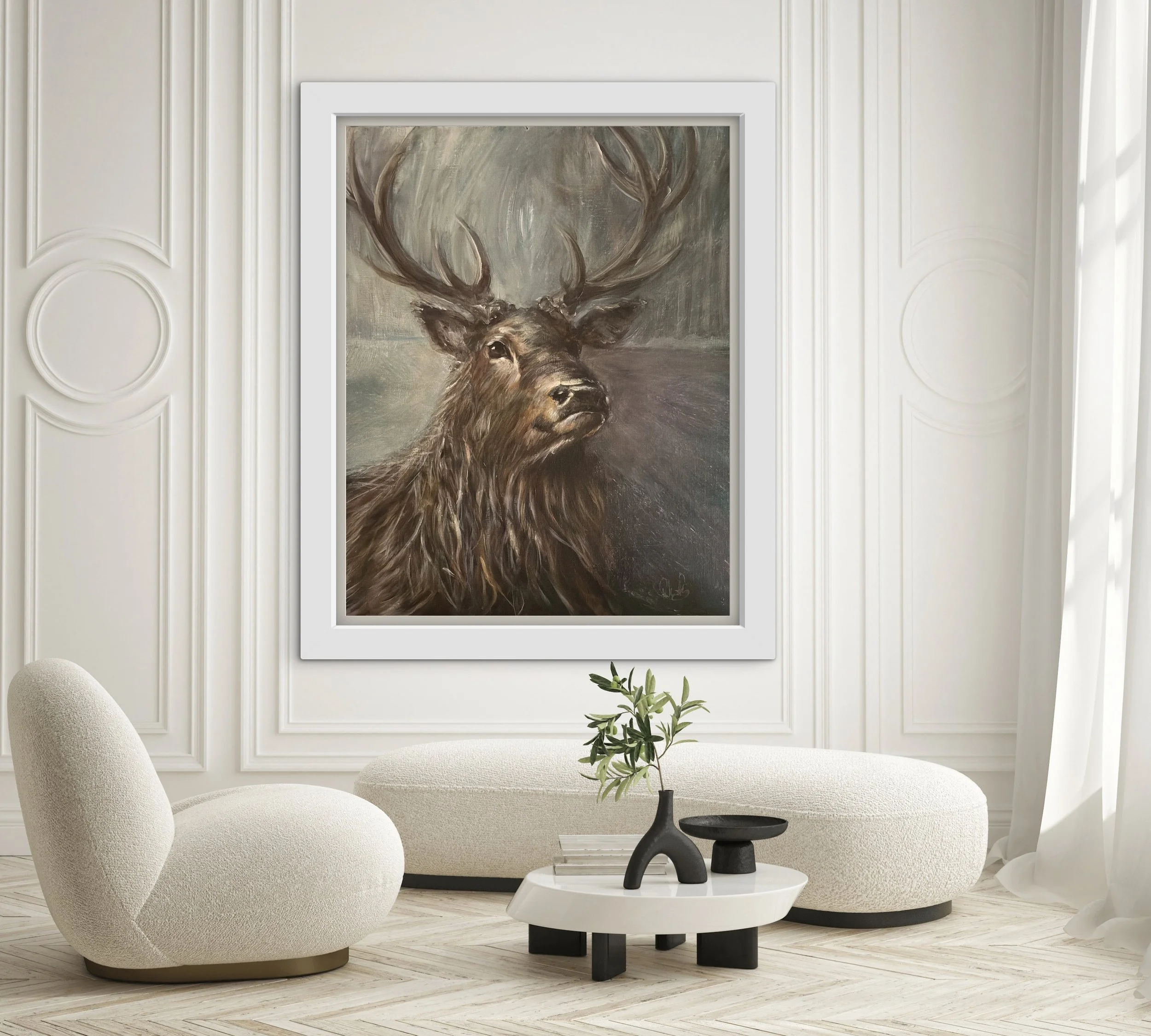
In my Highland and Country work, landscape functions as portraiture's equivalent not just setting but subject. The particular quality of Highland light, the way weather moves through mountain passes, the colours of seasonal change across moorland these elements carry as much meaning as the animals themselves. Together, they create images about relationship rather than isolated subjects.
This approach connects to longer traditions of Scottish landscape art. From Alexander Nasmyth through the Glasgow Boys, Scottish painters have recognised that Highland landscape requires particular attention it cannot be painted as if it were Italian countryside or English parkland. The light is different, the colours more subtle, the atmospheric effects more variable. Successful Highland painting acknowledges these specificities rather than imposing generic landscape conventions.
Heritage Without Nostalgia
There's crucial difference between honouring heritage and indulging nostalgia. Nostalgia looks backward with longing for imagined past. Heritage recognition engages historical tradition while remaining grounded in present reality. Contemporary Highland art succeeds when it achieves this balance respectful of tradition without being imprisoned by it.
This means acknowledging both historical context and contemporary relevance. Highland cattle today aren't threatened by cattle raiders, but they remain distinctive animals worthy of serious portraiture. The drove roads are now hiking trails, but the landscape they traverse continues to shape movement and settlement patterns. Heritage persists not as museum piece but as living tradition adapted to changing circumstances.
For collectors, this distinction matters. Work that traffics in pure nostalgia offers diminishing returns once the initial sentiment fades, little remains. But work that engages heritage while maintaining contemporary relevance rewards sustained attention. The painting functions simultaneously as connection to tradition and as serious contemporary art.
Why Highland Work Appeals to Contemporary Collectors
The current collector interest in Highland-themed art reflects something beyond decorative preference. There's renewed appreciation for work that demonstrates rootedness connection to specific place, engagement with particular tradition, respect for cultural heritage. In an increasingly globalised, digitally mediated culture, art that maintains strong connection to physical place offers unusual resonance.
This doesn't require collectors to have Scottish ancestry or Highland connections. The appeal lies in the work's authenticity its genuine engagement with subject matter rather than superficial deployment of imagery. Collectors recognise when work emerges from sustained attention versus when it applies Highland motifs as decorative strategy.
Highland and Country work also appeals because it bridges traditional and contemporary sensibilities. The subjects connect to centuries of artistic tradition equine portraiture, livestock painting, landscape art. But the execution remains thoroughly contemporary, employing classical technique toward current vision rather than historical recreation. This synthesis satisfies collectors seeking work that's neither purely traditional nor reflexively contemporary.
Material Culture and Collecting
The best Highland themed work engages material culture the physical objects, practical relationships, and working traditions that constitute heritage beyond mere imagery. This might mean attention to tack and harness types, acknowledgment of breed-specific characteristics, recognition of how landscape shapes land use patterns. These details matter not for pedantic accuracy but because they ground work in reality rather than fantasy.
For collectors building Highland focused collections, this material grounding provides coherence beyond simple subject matter. The work connects not just visually but conceptually each piece contributing to accumulated understanding of Highland culture's relationships between people, animals, land, and tradition. The collection becomes greater than its parts, telling larger story about place and heritage.
Tradition and Contemporary Practice
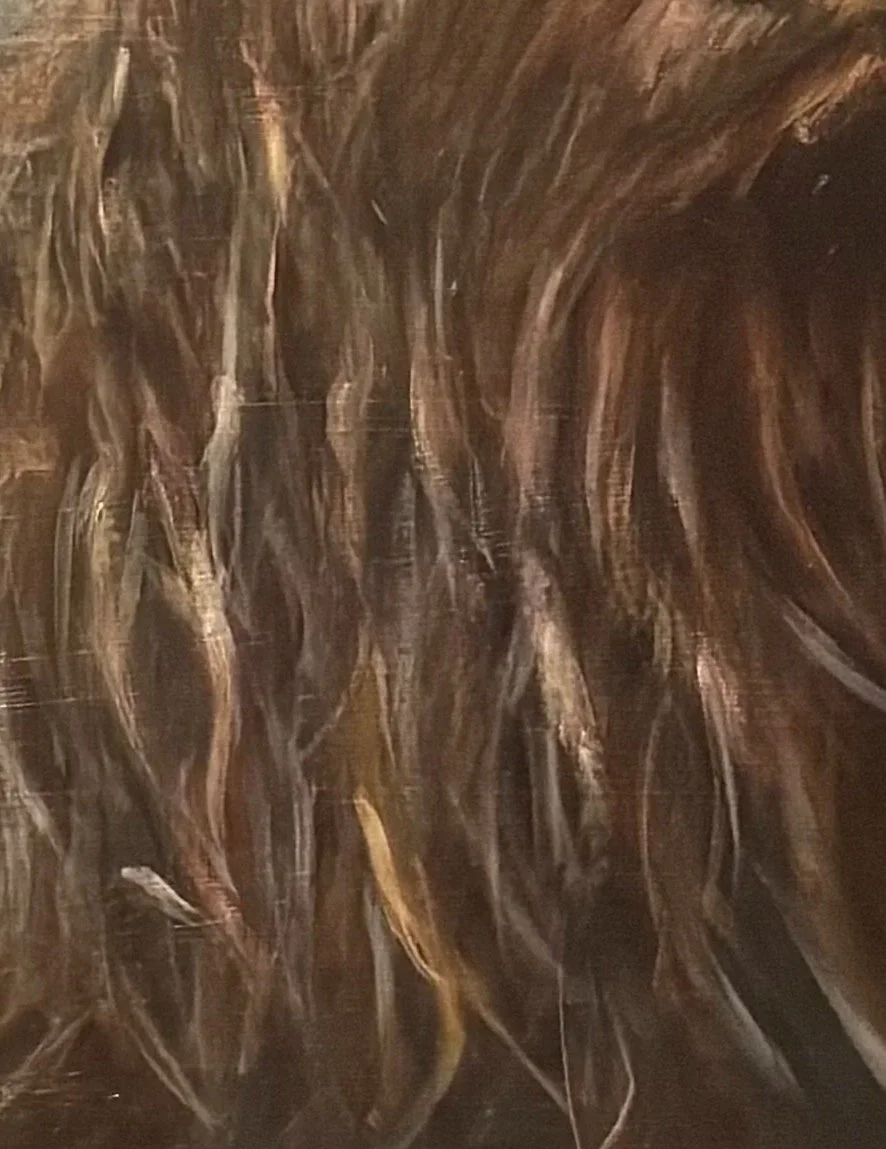
Creating serious Highland-themed art today requires balancing respect for tradition with contemporary vision. The technical foundation remains classical oil painting's proven capacity for capturing form, light, and atmosphere. But the sensibility is contemporary, informed by present day understanding of cultural heritage, environmental awareness, and appreciation for working animals beyond sentimental projection.
This balance produces work that functions for multiple audiences. Those deeply versed in Highland culture recognise authentic engagement rather than superficial deployment of imagery. Those without specific Highland knowledge respond to the work's formal qualities its composition, its handling of light, its technical execution. The work succeeds on both levels simultaneously.
For collectors, this multi layered appeal provides long-term value. The paintings reward initial viewing with strong visual impact, then reveal deeper engagement with cultural heritage upon sustained attention. They function as both serious portraiture and as thoughtful exploration of Scottish Highland tradition work that honours heritage without being imprisoned by it.
The Highland & Country Collection explores Scotland's rural heritage through classical equine and livestock portraiture. Each work engages with the material culture and landscape that shaped Highland life while remaining grounded in contemporary practice.