Why Oil Paint Endures
Classical Technique in Contemporary Practice
In an era of instant digital creation and AI generated imagery, oil painting might seem almost perversely anachronistic. The medium is slow, technically demanding, and requires years to master. Paint must dry between layers. Mistakes cannot be instantly undone. The entire process resists contemporary expectations of speed and efficiency. Yet this resistance is precisely what gives oil painting its enduring value and relevance.
The Material Reality
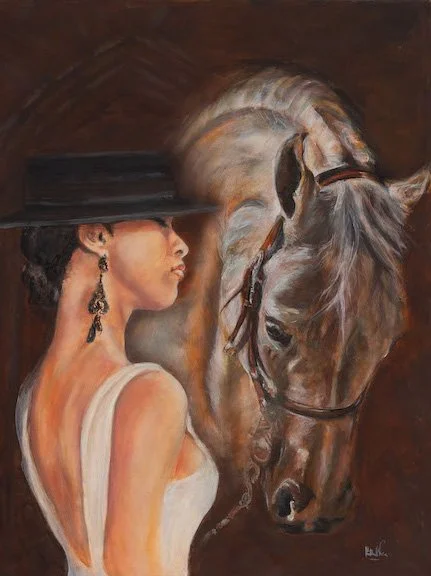
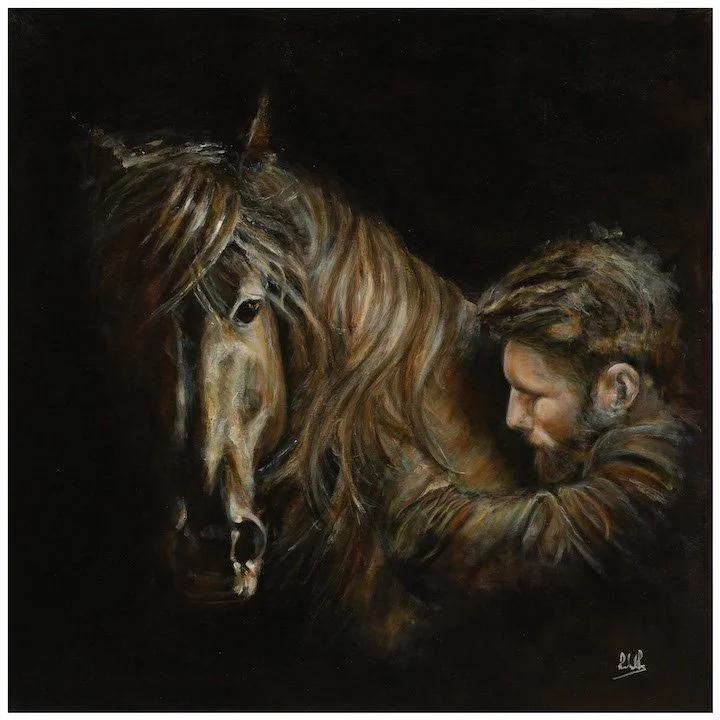
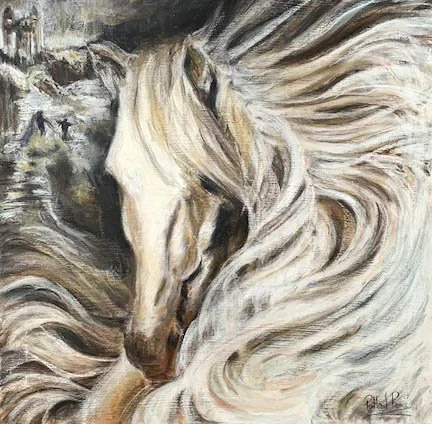
Oil paint possesses physical properties that remain unmatched by any other medium. The pigment suspended in linseed oil allows for unique manipulations colours can be blended wet into wet on the canvas, creating transitions impossible to achieve with faster drying media. Layers of translucent color build depth through optical mixing rather than simple covering. Thick impasto passages can stand in bold relief while thin glazes sink into shadow areas, creating a range of surface texture that engages light in continuously changing ways.
These material qualities aren't merely technical considerations they fundamentally shape what the medium can express. The slow drying time that frustrates beginners allows experienced painters to work into passages over hours or days, adjusting relationships, refining edges, coaxing forms toward their fullest realization. This extended engagement between painter and painting creates results that quick execution cannot achieve.
Historical Weight
When I mix titanium white with raw umber on my palette, I'm using essentially the same materials Rembrandt employed. The basic chemistry of oil painting has remained remarkably stable for five centuries. This continuity connects contemporary practice to the entire history of Western painting we work within a tradition refined by Titian, Velázquez, Vermeer, and countless other masters.
This historical connection matters more than nostalgia might suggest. Five centuries of technical experimentation have solved most of oil painting's fundamental challenges. We know which pigments are permanent, how thick paint can be applied before cracking becomes likely, which layer sequences produce durable results. This accumulated knowledge allows contemporary painters to focus on vision rather than wrestling with material uncertainty.
The great oil paintings of history also establish standards against which contemporary work inevitably measures itself. This can feel daunting, but it also provides clarity. We know what the medium can achieve at its highest level. The challenge becomes not discovering oil painting's possibilities they've been thoroughly explored but applying classical technique toward contemporary vision.
The Discipline of Restraint
Oil painting's slow pace enforces a particular kind of discipline. Unlike digital work, where ctrl Z allows infinite revision, oil painting makes impulsive changes costly. Adjustments must be planned, executed deliberately, then allowed to dry before further refinement. This resistance to spontaneous correction encourages more thoughtful initial decisions.
This doesn't mean oil painting lacks spontaneity the finest paintings balance careful planning with responsive improvisation. But the improvisation happens within constraints. You cannot simply try something and instantly undo it if it fails. This limitation forces painters to develop judgment to know before applying paint whether an adjustment will improve or diminish the whole.
For collectors, this matters. Work created under such constraints carries evidence of skill and decision-making that quick execution cannot demonstrate. Every passage represents choices made and executed successfully. The painting becomes proof of mastery, not just vision.
Permanence and Investment
Oil paintings, properly executed on archival materials, last centuries. Works from the 1500s remain in excellent condition. This permanence affects how we approach both creation and collection. A painting isn't just an image it's a physical object built to outlast its creator and likely its first several owners.
This durability distinguishes painting from most contemporary media. Digital files require maintenance and migration to new formats. Photographs fade. Prints degrade. But a well crafted oil painting, given reasonable care, remains essentially unchanged across generations. This permanence makes oil paintings uniquely suited to heirloom collecting they're not just art for now but art for one's children and grandchildren.
The materials themselves carry inherent value. Quality linen canvas, professional grade oil paints, proper wooden stretchers these aren't cheap materials, and their cost reflects genuine quality rather than arbitrary markup. The physical object has substance beyond the image it presents.
Why Classical Technique Remains Relevant
Contemporary art often celebrates novelty new materials, new approaches, new conceptual frameworks. Yet in this environment, classical oil painting occupies a curious position. It's simultaneously traditional and somewhat radical. Traditional in that it employs centuries old technique; radical in that it refuses contemporary pressure toward constant innovation.
This refusal isn't reactionary or nostalgic. It's based on recognition that classical oil technique already provides everything needed for powerful expression. The medium's capabilities haven't been exhausted—they've been thoroughly explored but never depleted. Each generation finds new subjects, new sensibilities, new ways of seeing that can be expressed through this enduring technique.
In my own practice, working in oil connects contemporary subject matter Scottish heritage, equine portraiture, cultural mythology to a method that proves its seriousness through its demands. The technique cannot be faked or shortcut. It requires genuine skill, sustained effort, and patient mastery. This inherent difficulty makes successful work inherently valuable.
The Collector's Consideration
For serious collectors, understanding technique matters because it affects both aesthetic experience and long term value. An oil painting viewed in person engages light in ways reproduction cannot capture. The surface texture, the subtle variations in translucency and opacity, the actual physical presence of layered paint these qualities reward sustained viewing in ways flat reproduction cannot.
This physical richness means oil paintings age into their prime rather than simply aging. As linseed oil continues its centuries-long curing process, colors gain saturation and depth. The painting becomes more itself over time a quality unique to oil medium and impossible to replicate in any other form.
Contemporary collectors navigating an art market filled with digital prints, photographs, and mixed media work can find unusual clarity in classical oil painting. The technique's demands, its historical validation, its material permanence these factors provide genuine rather than arbitrary markers of value. A well executed oil painting offers not just aesthetic pleasure but tangible evidence of mastery applied toward lasting creation.
Craft as Content
In the end, technique cannot be separated from meaning. How a painting is made affects what it can express. The patience required by oil painting, the discipline it enforces, the connection it maintains to historical practice these aren't merely technical considerations but fundamental aspects of what the work means.
When collectors acquire classical oil paintings today, they're valuing not just the resulting image but the entire complex of skill, patience, and mastery that image represents. In an increasingly digital, instant world, there's particular resonance to work that requires time, demands skill, and connects to centuries of tradition. Oil painting endures not despite its demands but because of them.
All original paintings are executed in traditional oil on linen canvas using archival materials selected for permanence and optical quality.